
Timber Roadmap Gets Green Light
15/03/2025
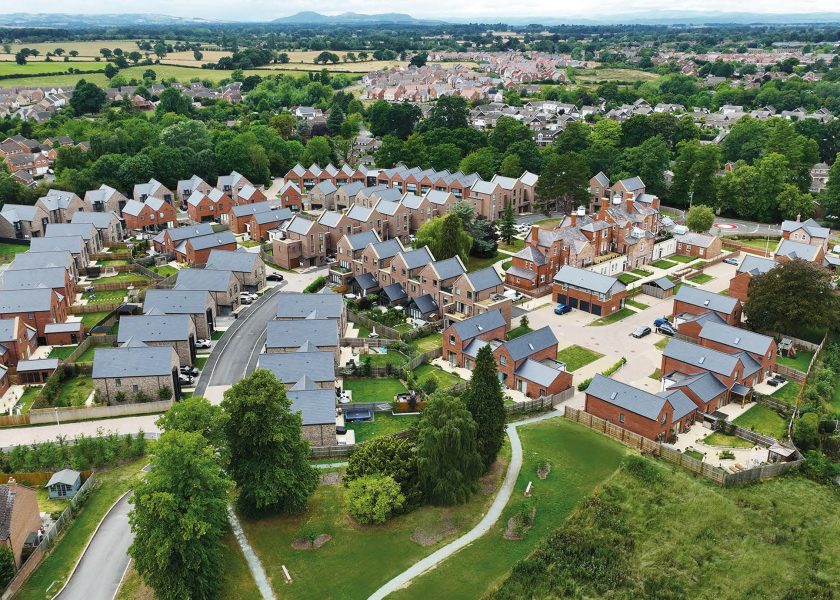
The recent ministerial approval of the Timber in Construction Roadmap as part of the Labour Government’s Plan for Change is hugely encouraging. Andrew Carpenter, Chief Executive of the STA sees it as positive step in building our future sustainably.
The announcement by Environment Minister Mary Creagh CBE on 27 February 2025, reaffirming the Government’s commitment to the Timber in Construction Policy Roadmap, marks a significant milestone in the UK’s journey toward sustainable construction. This renewed commitment, unveiled at the Timber in Construction Summit in London, aligns with the Government’s Plan for Change and establishes a clear framework to address multiple national priorities: delivering 1.5 million homes during the next Parliament, achieving net zero targets by 2050, and stimulating economic growth through green industries. As the Structural Timber Association (STA), we have long advocated for the expanded use of timber in construction, recognising its potential to revolutionise how we build while dramatically reducing the environmental impact of the construction sector. Working alongside Timber Development UK (TDUK) and the Confederation of Forest Industries (Confor), we have been instrumental in shaping the original policy roadmap and welcome its ambitious evolution.
A bold vision for construction
The updated roadmap represents far more than incremental change – it signals a fundamental shift in how the UK approaches construction. With approximately 25% of the UK’s greenhouse gas emissions coming from the built environment, the case for timber is compelling. Large buildings constructed from engineered timber products can store up to 400% more carbon compared to concrete alternatives, making timber one of the most effective tools for decarbonizing the construction industry. Currently, around 80% of timber used in the UK is imported. The new roadmap aims to reverse this trend by boosting domestic production, creating green jobs in forestry and wood processing sectors that already contribute over £3billion to the UK economy. The revised roadmap places clear emphasis on several critical areas where the timber construction industry has been making significant progress:
Improving Data on Timber and Whole Life Carbon
Led by TDUK, work continues to improve embodied carbon measurement in timber construction. This includes supporting voluntary initiatives to reduce carbon footprints, enhancing data collection on timber projects, and improving the quality of timber Environmental Product Declarations (EPDs). Future plans will explore implementing embodied carbon limits for buildings and developing more comprehensive carbon assessment methodologies.
Increasing Skills, Capacity, and Competency Across the Supply Chain
With Napier University leading efforts to map competency routes for timber-related occupations, the industry is addressing the skills gap that has historically limited wider adoption of timber construction methods. This includes curriculum development, improved Continuing Professional Development (CPD) offerings, and promotion of timber-related careers in schools. Future initiatives will establish a multi-stakeholder industry forum and conduct research to quantify additional workforce requirements.
Increasing the Sustainable Supply of Timber
Under Confor’s guidance, work is underway to identify and remove barriers to the use of homegrown timber, promote the planting and management of productive tree species, and invest in manufacturing capacity for wood-based construction products. Future plans include delivering against statutory woodland cover targets, promoting greater rates of woodland management, and improving long-term availability forecasts.
Addressing Fire Safety and Durability Concerns to Safely Expand the Use of Engineered Mass Timber
The STA continues to lead efforts to address safety concerns through the Fire Safety Hub and the development of best practices from demonstrator projects. This work will extend to collaboration with government, academia, and the Building Safety Regulator to research outstanding safety, durability, and competency questions that have sometimes hindered broader adoption of mass timber.
Promoting Innovation and High Performing Timber Construction
BE-ST leads initiatives to publish and maintain best practice technical standards, while promoting the TDUK Resource Library. Future collaborative research with government and academia will focus on optimising carbon and operational performance, increasing the efficiency of timber construction methodologies, and exploring opportunities for timber product reuse.
A collaborative path forward
The Minister’s Foreword to the updated Policy Roadmap encapsulates the transformative vision: “The steps we take today will create a thriving, green economy. Timber framed homes, public buildings, and offices will transform the built environment. This is just the beginning, and I look forward to seeing how timber helps shape a sustainable future.”
As the STA, we are committed to working with government, industry partners, and academia to deliver on these ambitious goals. The expanded collaboration with insurers, lenders, and warranty providers will help address market barriers, while continued promotion of timber as a safe, sustainable construction material will help change perceptions across the industry. The recommitment to the Timber in Construction Roadmap represents not just an environmental imperative but an economic opportunity.
By leveraging modern methods of construction (MMC), including timber frame and engineered wood systems, we can boost productivity in housebuilding while delivering high-quality, energy-efficient homes at the scale needed to address the UK’s housing crisis. The path ahead is challenging but clear. Through collective effort and continued innovation, timber will play a pivotal role in building a more sustainable, prosperous future for the UK construction industry.